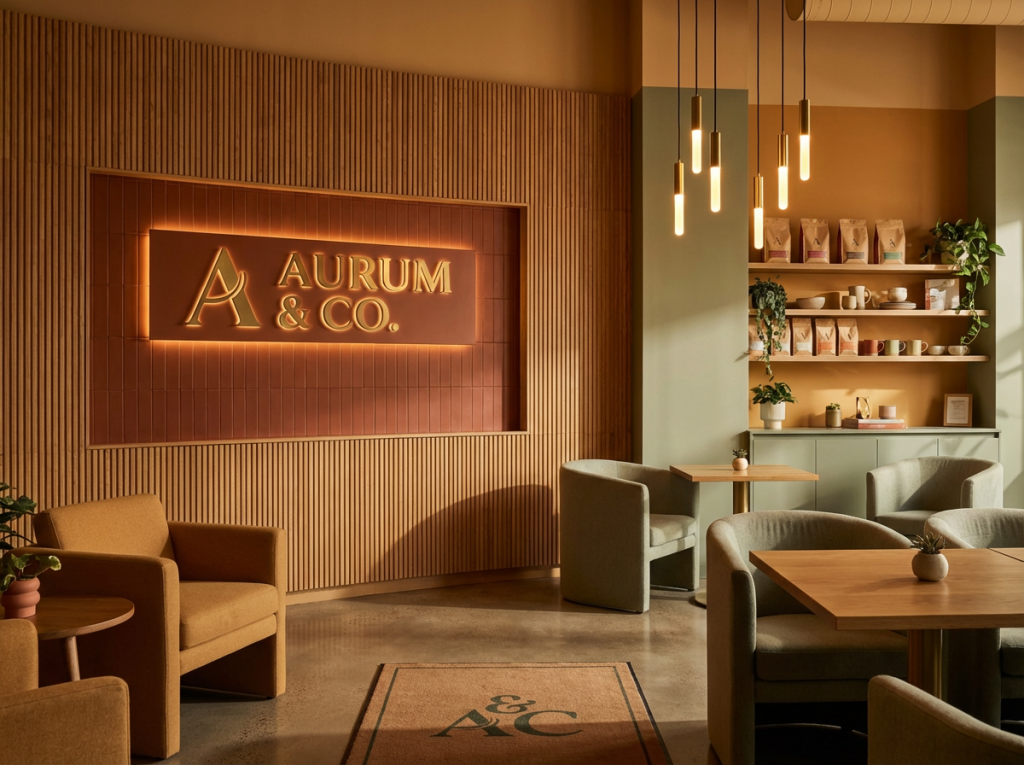
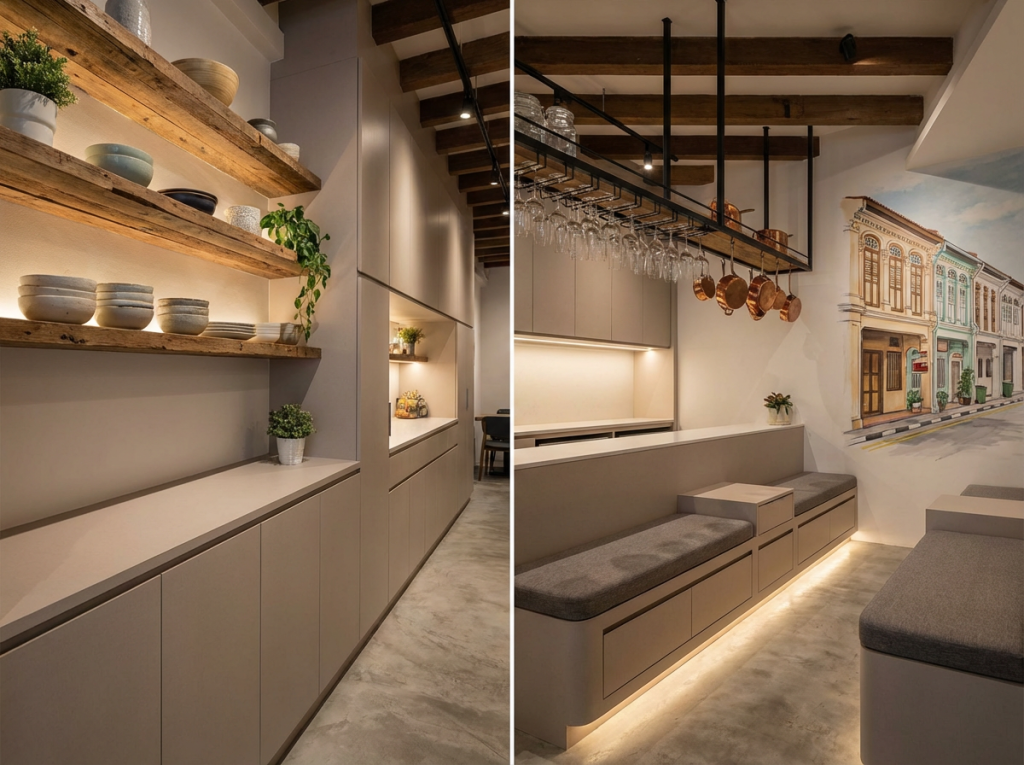
01. The Psychology of Retail Design: Understanding How Customers Think
Great retail interiors begin long before the floor plan. They begin with psychology.
Customers walk into a store with expectations, emotions, and subconscious triggers—most of which they’re not even aware of. Retail design uses these psychological patterns to shape behaviour.
Retail design has transformed dramatically in the last decade. Stores are no longer just transactional spaces— they are brand experience centers, storytelling environments, and emotional touchpoints. In a competitive retail landscape where e-commerce is stronger than ever, brick-and-mortar retail must deliver something online shopping never can: a multi-sensory, immersive, memorable experience.
Today’s most successful retail interiors are engineered with precision: they guide customers intuitively, influence behaviour, encourage discovery, and ultimately, boost conversions. Whether we’re designing boutiques, lifestyle stores, luxury brands, tech shops, or large-format retail, the principles of high-impact retail design remain the same: intentional flow, emotional ambience, and powerful spatial storytelling.
This comprehensive guide explores the full design-to-execution strategy behind creating meaningful retail environments that drive sales, brand loyalty, and higher dwell time.
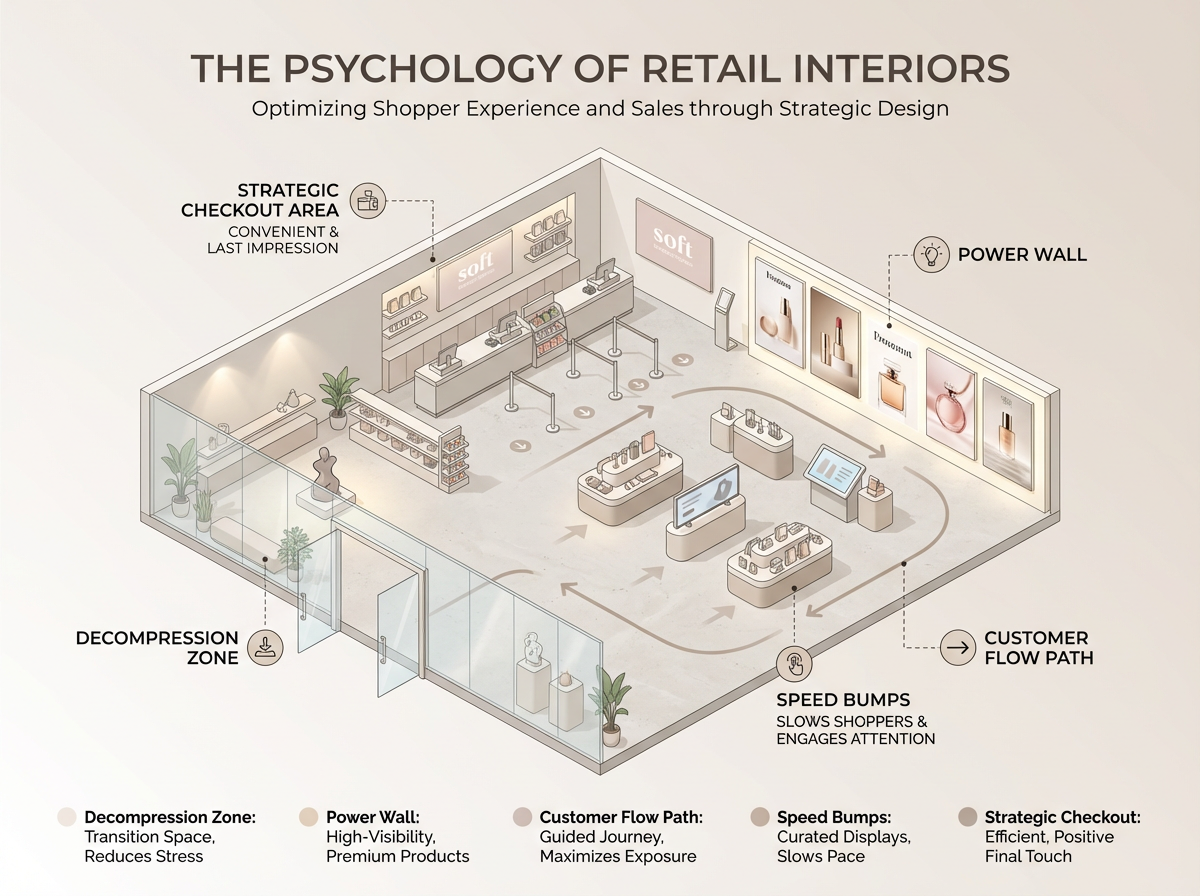
The Decompression Zone
When customers step into a shop, the first 2–3 meters act as a reset point. This is where the mind adjusts to lighting, temperature, smell, and ambience. It sets the tone.
Effective strategies:
-
- Keep the area uncluttered
-
- Use softer lighting
-
- Offer a clear first sightline
-
- Avoid placing high-value products immediately at the entrance
This zone is for orientation, not selling.
The Power Wall
Customers naturally turn to their dominant side after entering—usually the right. This wall becomes the most powerful storytelling and display area.
Use it for:
-
- Brand identity
-
- New arrivals
-
- Bestsellers
-
- Seasonal highlights
It sets the emotional tone for the shopping journey.
Speed Bumps
Strategically placed displays slow customers down, encouraging product interaction. These can be:
-
- Feature tables
-
- Mid-floor displays
-
- Sensory product stations
They “interrupt” a straight path to inspire browsing.
Customer Flow Patterns
Most customers follow predictable movement patterns:
-
- A right-hand loop
-
- A slow pace near displays
-
- Faster near walls
-
- Slower near tactile product areas
Retail designers shape these patterns with:
-
- Angled shelves
-
- Curved pathways
-
- Spotlighting focal areas
-
- Strategic signage
-
- Floor texture changes
The Checkout Influence
Customers make impulsive decisions near the checkout. Smaller add-on products—candles, accessories, small tech items, skincare minis—perform extremely well when placed close to the point of sale.
02. Designing the Customer Journey: Flow, Layout & Space Planning
To design a high-performing retail space, the journey must feel intuitive and natural — never forced. Here’s how professional designers craft the journey:
Choosing the Right Layout
Grid Layout (Supermarkets, pharmacies)
-
- Efficient
-
- Easy navigation
-
- High product visibility
Loop Layout (Boutiques, lifestyle stores)
-
- Creates a path
-
- Increases browsing
-
- Great for curated experiences
Free-Flow Layout (Luxury, beauty, lifestyle)
-
- Encourages exploration
-
- Emotional and lifestyle-driven
-
- Ideal for high-end brands
Angular Layout (Tech, premium fashion)
-
- Soft curves
-
- High aesthetic value
-
- Creates exclusivity
Designing With Space Hierarchy
Some zones must “pull” customers in naturally:
-
- Feature zones
-
- Seasonal highlights
-
- New launch displays
-
- Bestsellers
-
- Experience corners
Product hierarchy influences:
-
- Eye-level priority
-
- Touch-level interaction
-
- Stock-level comfort
Designing Without Clutter
Clutter kills sales. When everything feels loud, nothing stands out.
Use:
-
- Negative space
-
- Clean lines
-
- Limited colour palettes
-
- Focused lighting
Ensuring Accessibility & Comfort
Customers stay longer when they feel comfortable:
-
- Smooth navigation
-
- No tight aisles
-
- Seating pockets
-
- Good lighting balance
-
- Proper ventilation
-
- Acoustics control
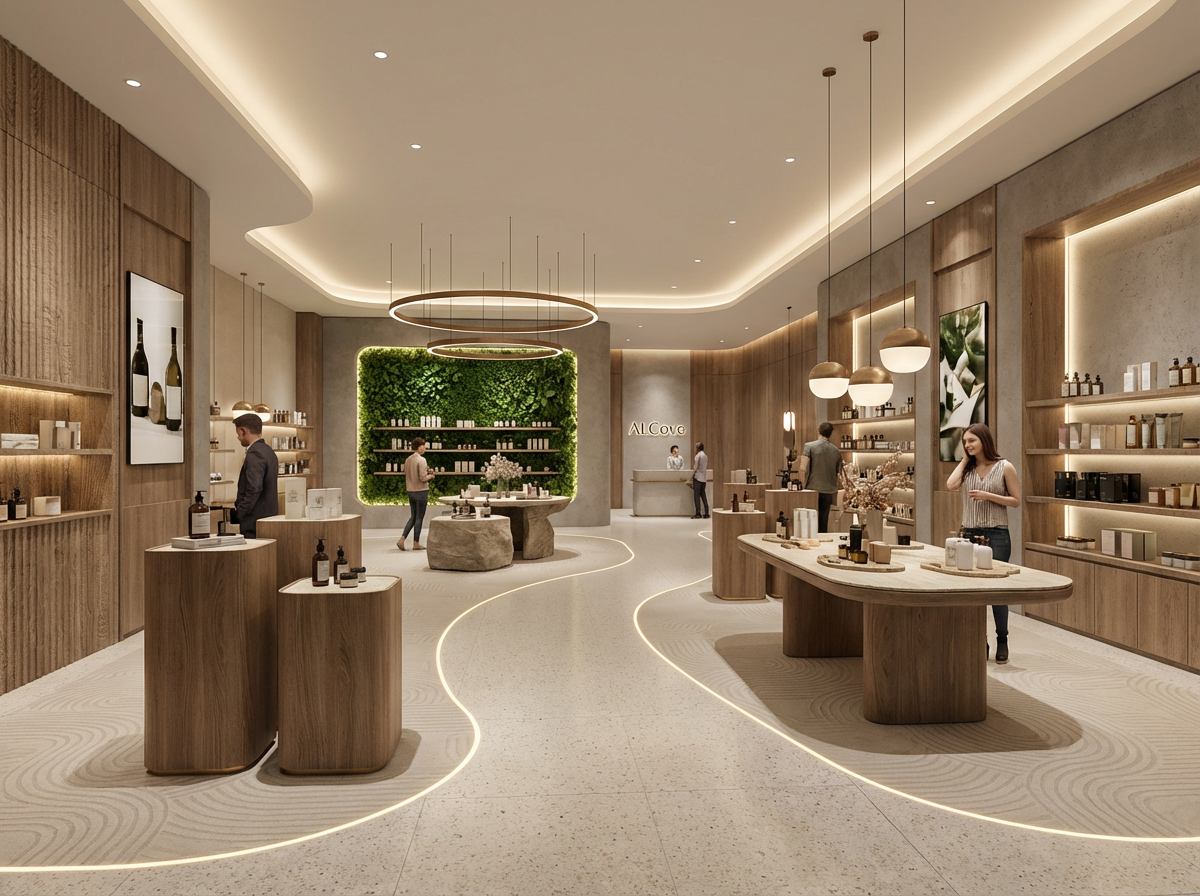
03. Visual Merchandising: Turning Space Into Sales
Visual merchandising (VM) is the science of arranging products to maximize sales.
Great VM is:
-
- Clean
-
- Intentional
-
- Story-driven
-
- Sensory-rich
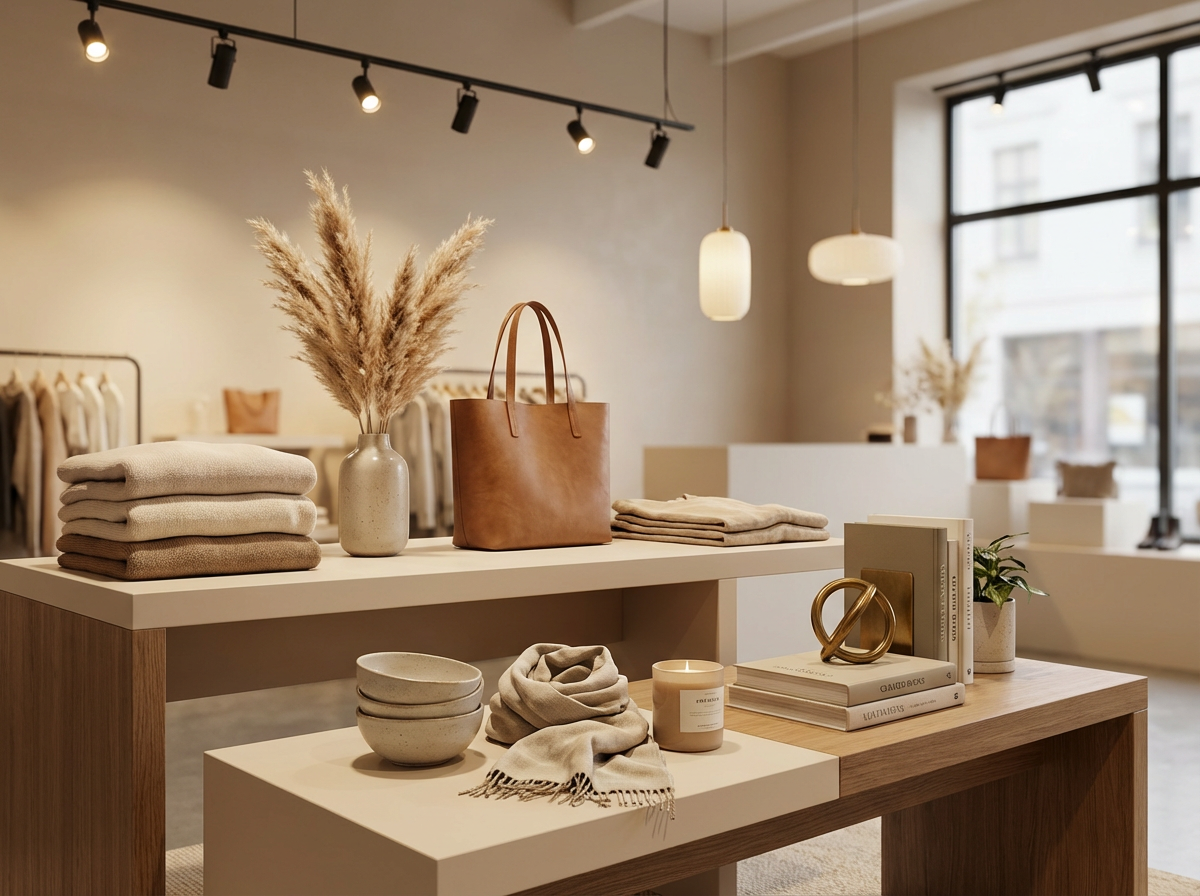
Focal Points
Every zone needs a visual anchor — something that catches the eye and pulls customers in:
-
- Backlit product shelving
-
- Elevated platforms
-
- Feature plinths
-
- Brand storytelling walls
-
- Large scale graphics
The Rule of Three
Products displayed in threes appear more balanced and visually appealing:
-
- Three heights
-
- Three colours
-
- Three objects
Product Grouping
Group by:
-
- Colour
-
- Category
-
- Lifestyle concept
-
- Seasonal theme
This reduces cognitive load.
Sensory Merchandising
Engage the senses:
-
- Warm smell → bakery
-
- Musky scents → luxury fashion
-
- Citrus → lifestyle & wellness
-
- Natural texture → eco-friendly brands
Sound, texture, lighting, and colour temperature all contribute to emotional experience.
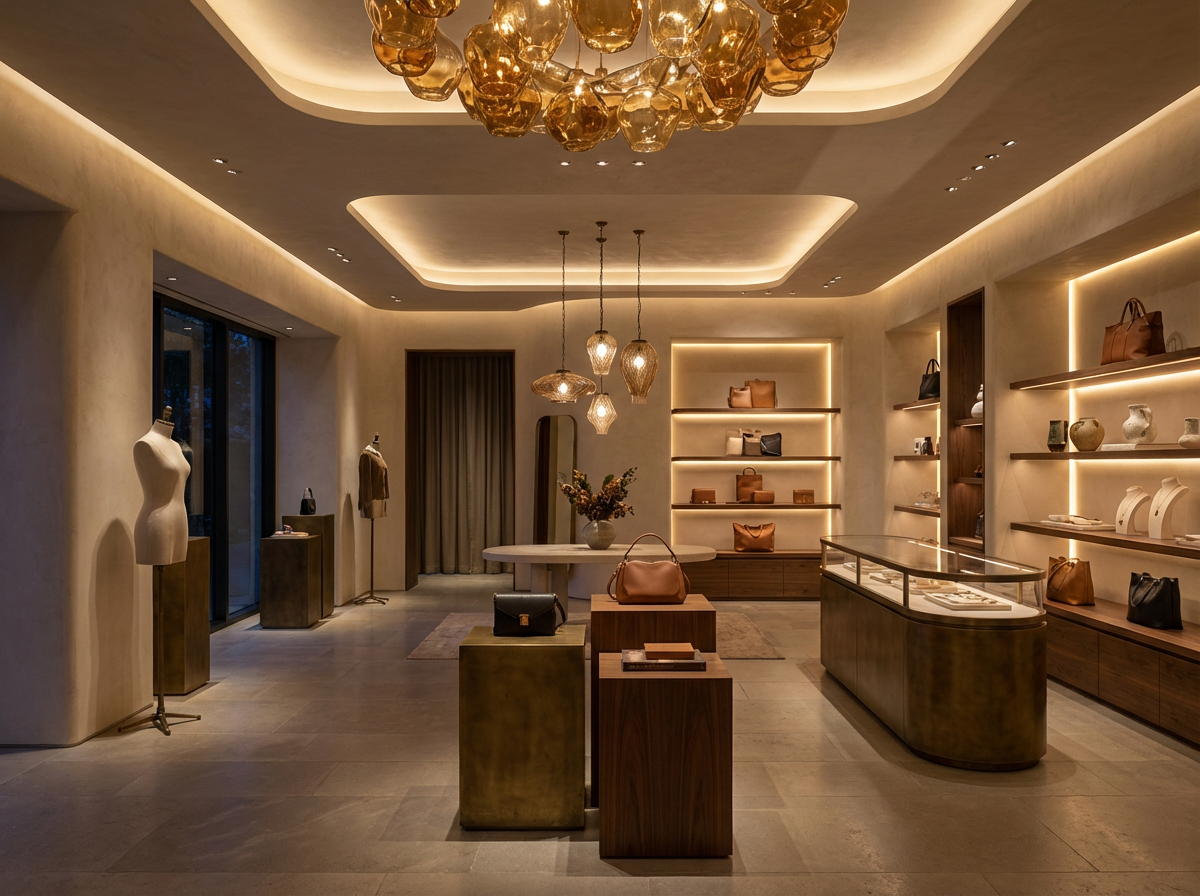
04. Lighting: The Secret Weapon of Retail Design
Lighting influences:
-
- Mood
-
- Attention
-
- Product perception
-
- Dwell time
-
- Sales
It is one of the biggest revenue drivers in retail design.
Types of Retail Lighting
Ambient Lighting
Sets overall mood.
Accent Lighting
Highlights key products.
Task Lighting
Cashier stations, fitting rooms.
Decorative Lighting
Creates emotional ambience.
Feature Lighting
Backlit shelves, illuminated signage.
Lighting Techniques That Boost Sales
-
- Spotlighting products at 30–40 degrees
-
- Warmer tones for fashion
-
- Cooler tones for tech
-
- Backlighting translucent materials
-
- Layered lighting strategy
-
- Motion-activated shelf lighting
05. Materiality & Texture: Building Emotion Through Touch
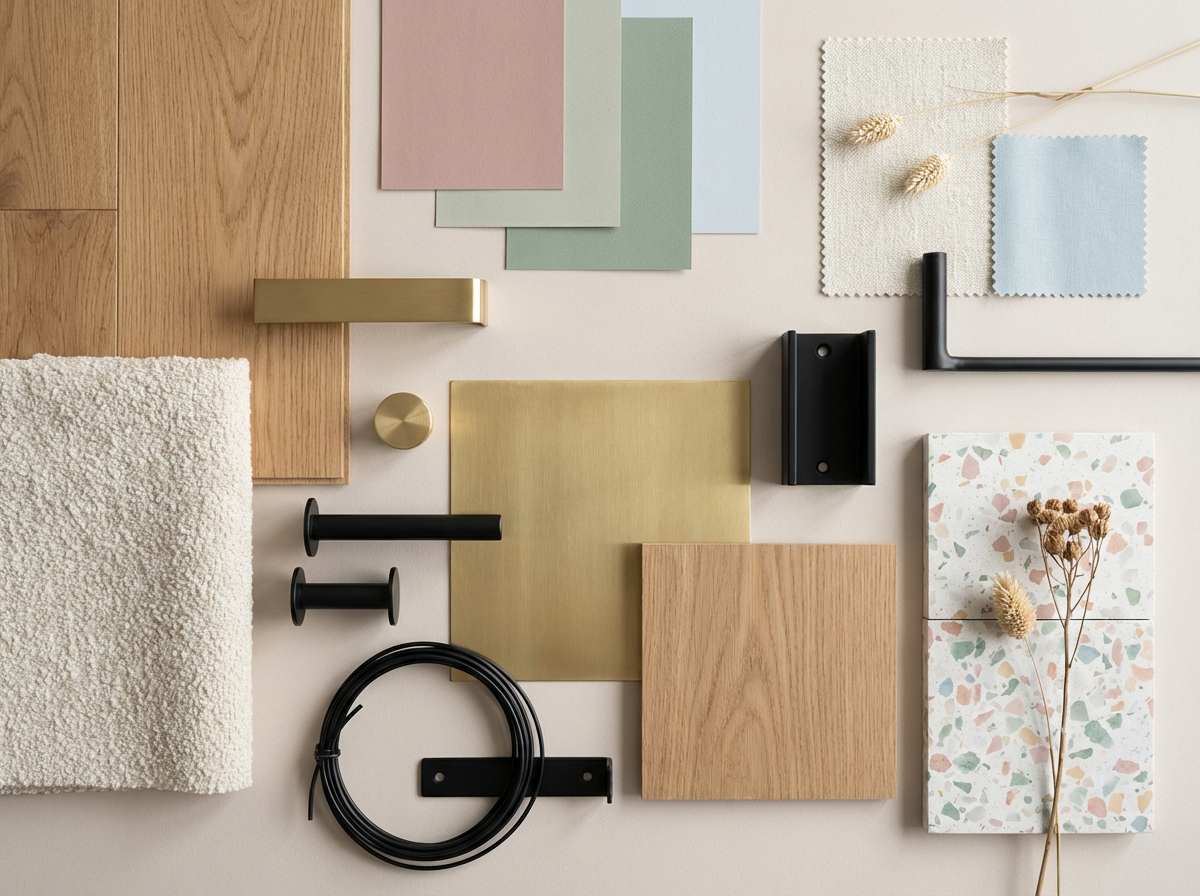
Retail design must feel authentic and tactile. Material selection influences perception and brand connection.
Best Material Considerations
-
- Durability
-
- Maintenance
-
- Aesthetic relevance
-
- Cost-efficiency
-
- Sustainability
Common Retail Material Styles
Luxury Retail
-
- Marble
-
- Brass
-
- Velvet
-
- Backlit onyx
-
- High-gloss lacquer
Tech Retail
-
- Stainless steel
-
- Polished concrete
-
- Glass
-
- LED-integrated shelving
Lifestyle Retail
-
- Warm wood
-
- Rattan
-
- Earth-tone fabrics
-
- Matte finishes
-
- Natural stones
Fast Fashion
-
- Lightweight wood
-
- Laminate
-
- PVC
-
- Powder-coated steel
06. Brand Identity & Storytelling in Retail Design
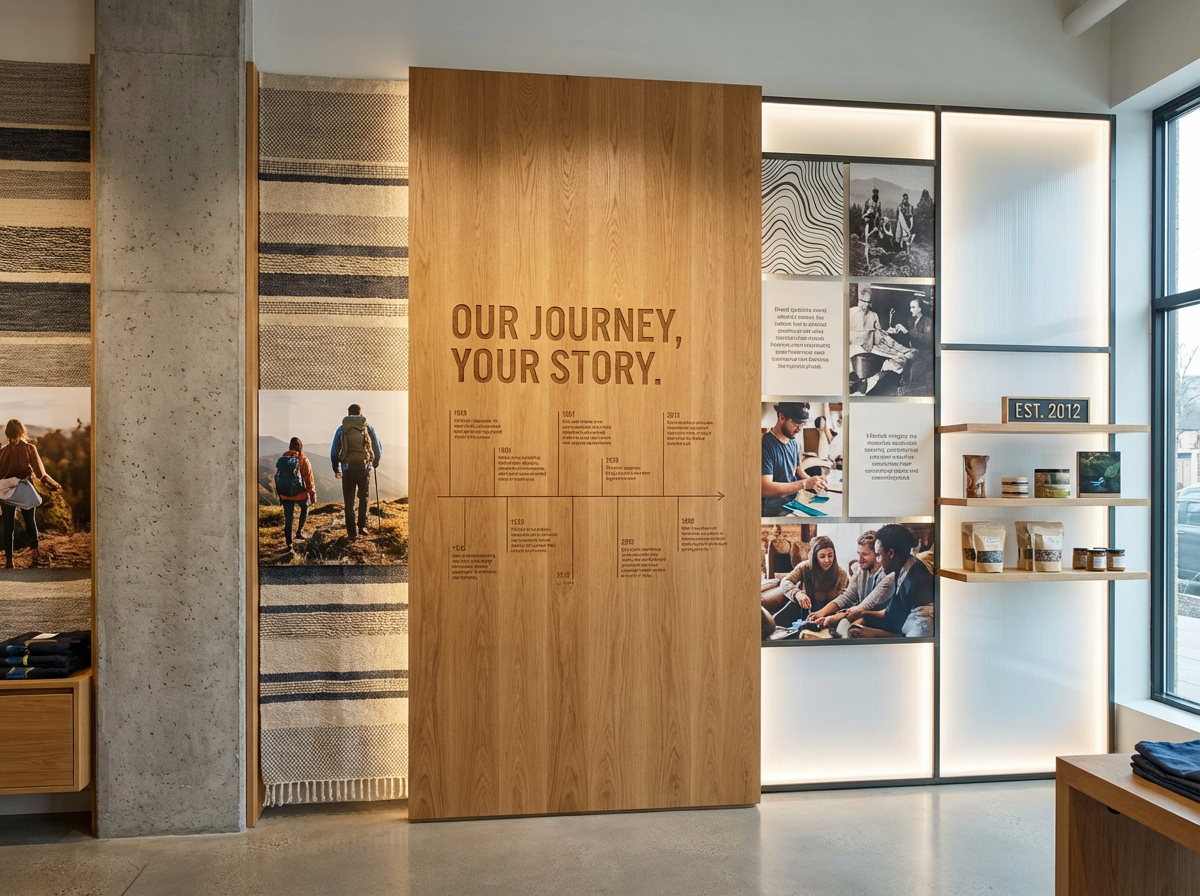
Great retail spaces tell a story:
-
- Who the brand is
-
- Why it exists
-
- What it believes in
-
- How it feels
This is achieved through:
-
- Colour palette
-
- Typography
-
- Graphics
-
- Product staging
-
- Lighting mood
-
- Exterior façade
-
- Signage
-
- Scent & music environment
Storytelling Through Spatial Design
This is where the brand comes alive:
-
- Brand walls
-
- Heritage corner
-
- Interactive displays
-
- Experience tables
Digital Integration
The future of retail blends digital + physical:
-
- LED walls
-
- Smart mirrors
-
- QR-linked product info
-
- AR product try-ons
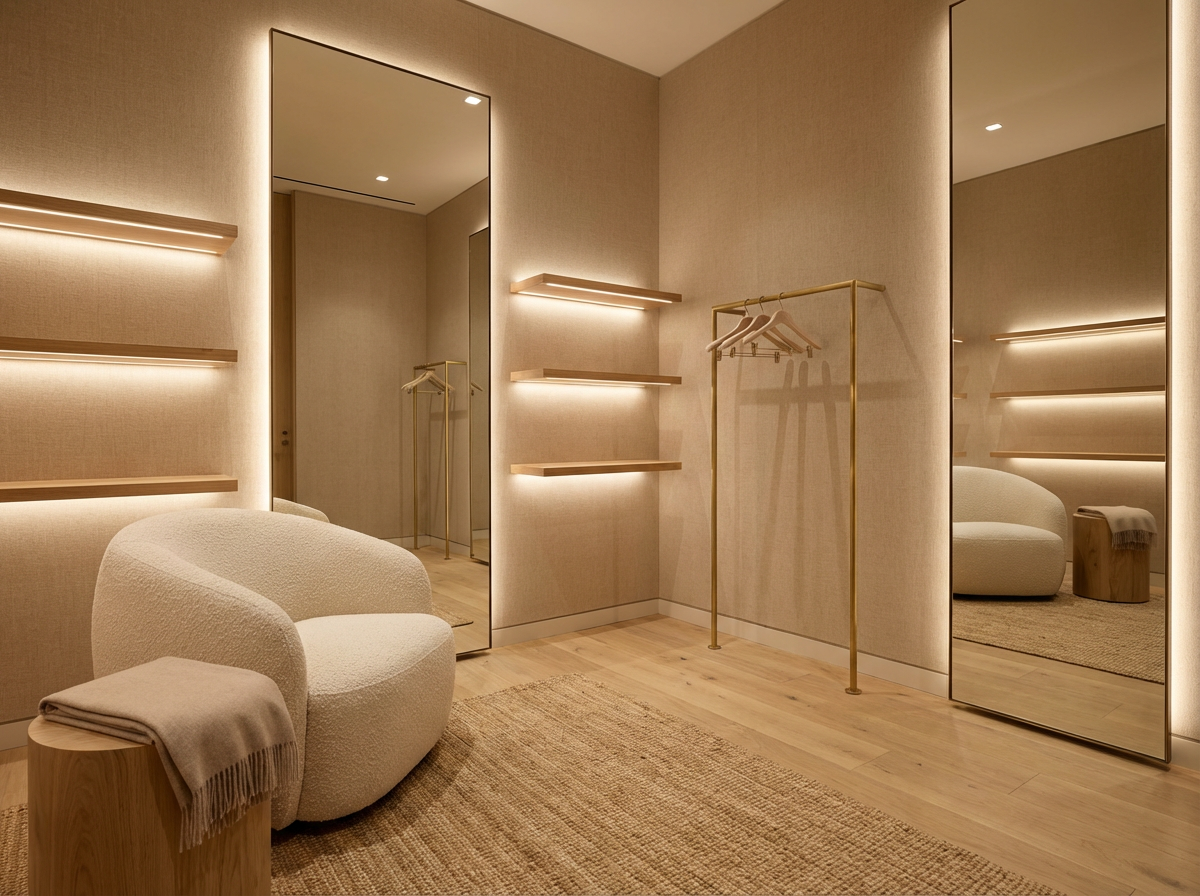
07. Designing High-Impact Fitting Rooms
Fitting rooms are make-or-break for fashion retail.
Key Principles
-
- Warm, flattering light
-
- Adequate space
-
- Clean mirrors
-
- Seating area
-
- Hooks & shelves
-
- Neutral colours
A positive fitting-room experience = higher conversion rates.
08. Signage & Wayfinding That Guide Customers Naturally
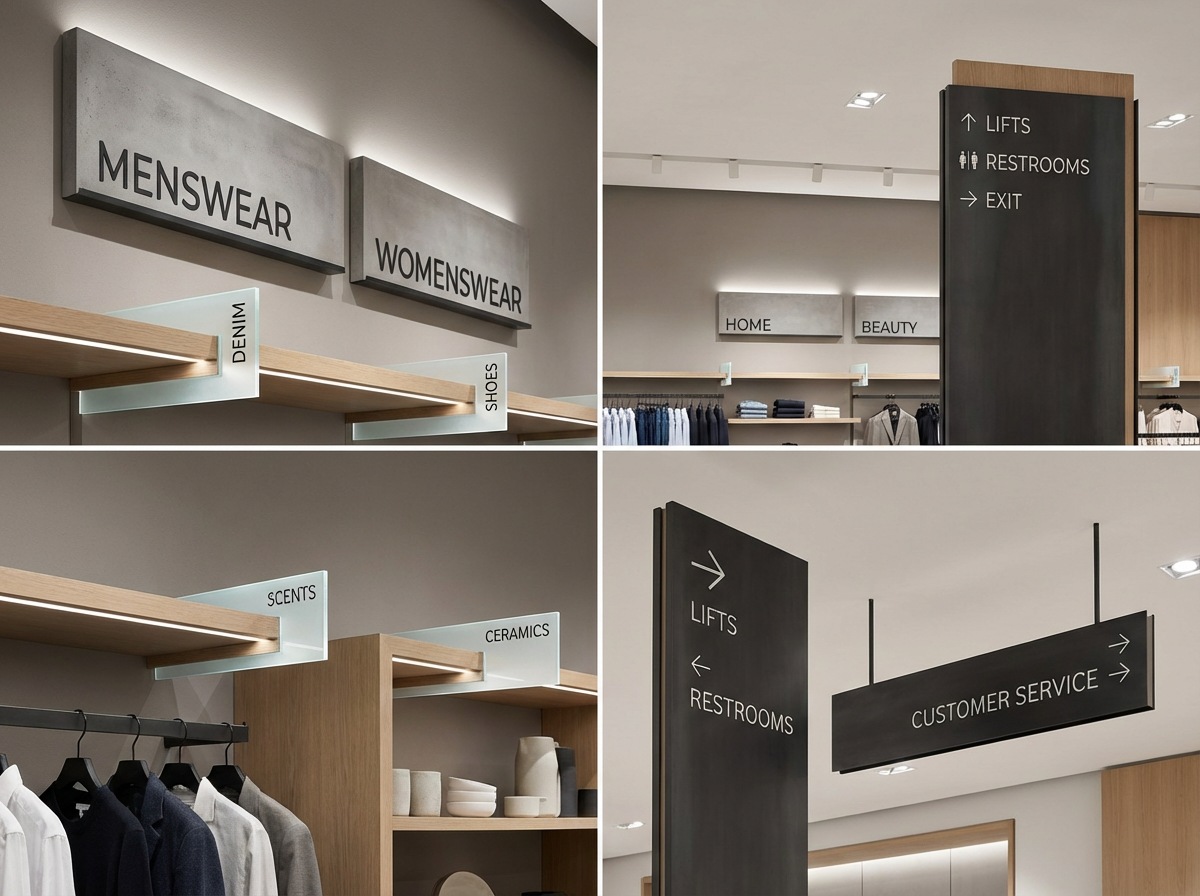
Signage should:
-
- Be subtle but effective
-
- Use brand typography
-
- Support navigation
-
- Enhance the experience
Types of Signage
-
- Category signs
-
- Directional signs
-
- Price displays
-
- Promotional signs
-
- Wall graphics
-
- Digital screens
09. The Checkout Experience: Closing the Loop
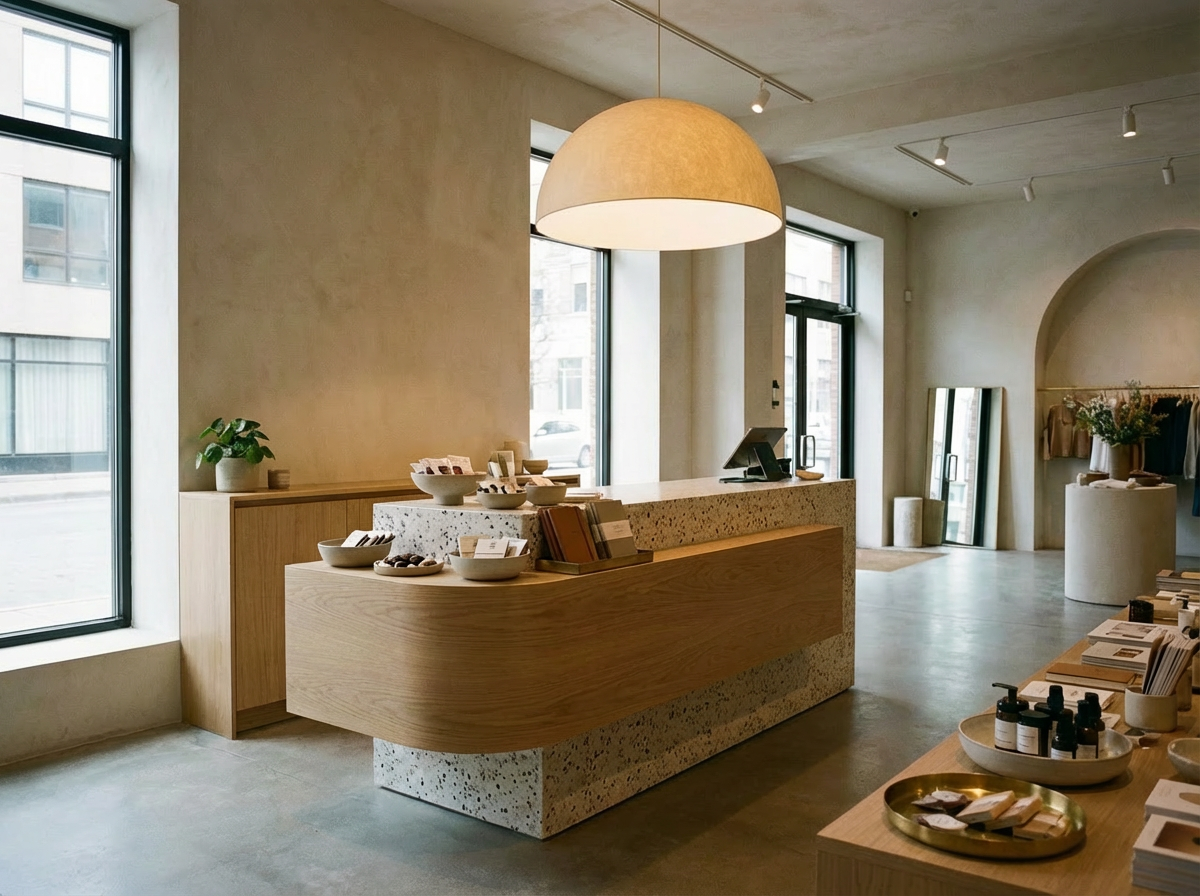
Checkout is not just a function — it is part of the brand journey.
Checkout Must Be:
-
- Convenient
-
- Optimized for impulse buys
-
- Friendly
-
- Warmly lit
-
- Efficient
Place small curated items nearby:
-
- Accessories
-
- Travel-size products
-
- Add-ons
-
- Seasonal pieces
10. Behind the Build: Turning Design Into Reality
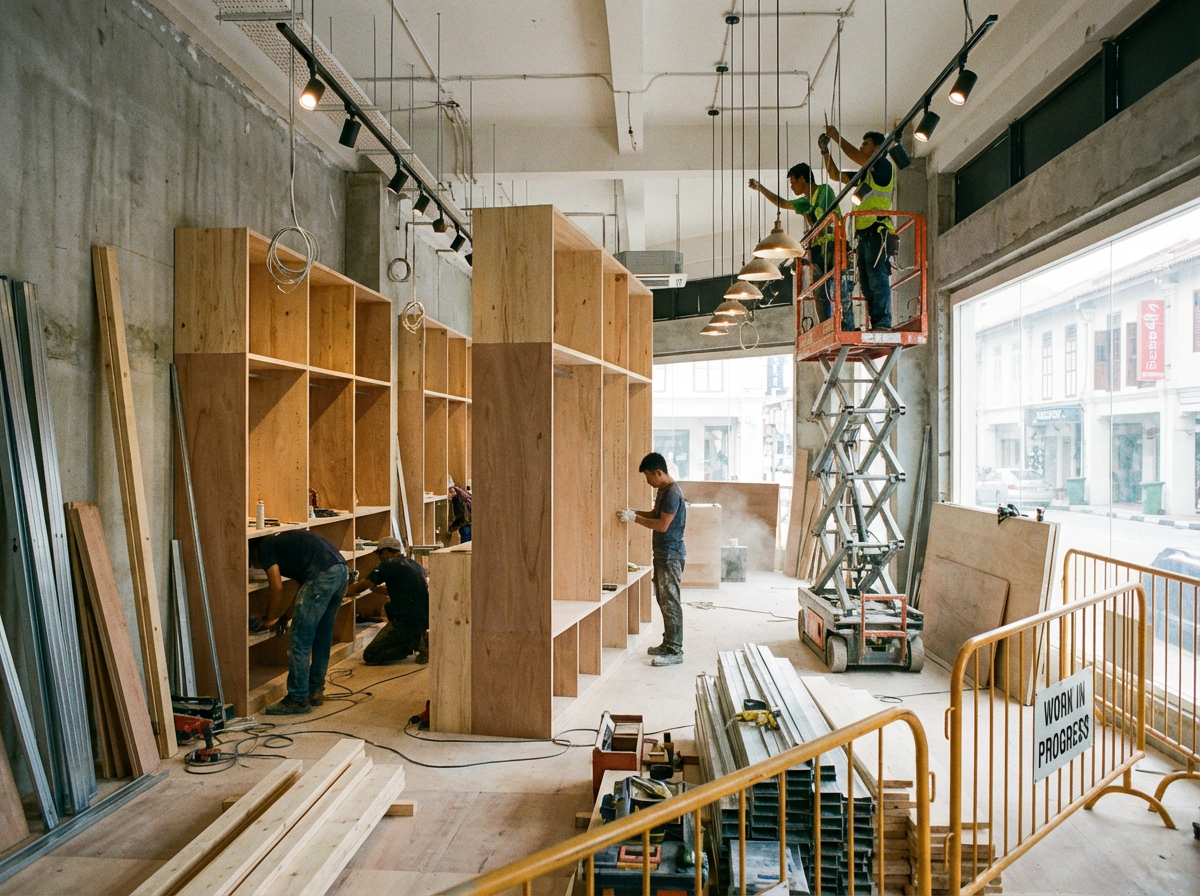
A high-performing retail space requires professional execution:
Key Stages
-
- Design & concept
-
- Material selection
-
- Technical plans
-
- Coordination with vendors
-
- Fabrication
-
- Lighting planning
-
- Carpentry & installation
-
- Quality control
-
- Final styling
Final Thoughts: Retail Interiors That Sell Are Designed With Purpose
Every retail space has one mission:
to connect customers emotionally and guide them toward purchase decisions naturally.
High-impact retail design is:
-
- Strategic
-
- Sensory
-
- Emotional
-
- Intentional
-
- Data-driven
-
- Brand-specific
From psychology to layout to lighting to storytelling, every detail matters.
When executed with expertise, retail interiors not only look beautiful—they increase sales, strengthen brand loyalty, and transform customer behaviour.