Find us
Ventra Pte Ltd
167 Jalan Bukit Merah, The Connection, 05-12, Singapore 150167
Get In Touch
ask@ventra.com.sg
(65) 6589 8323
Back

Beyond Aesthetics: Why Good Interior Design Is Essential for Brand Identity

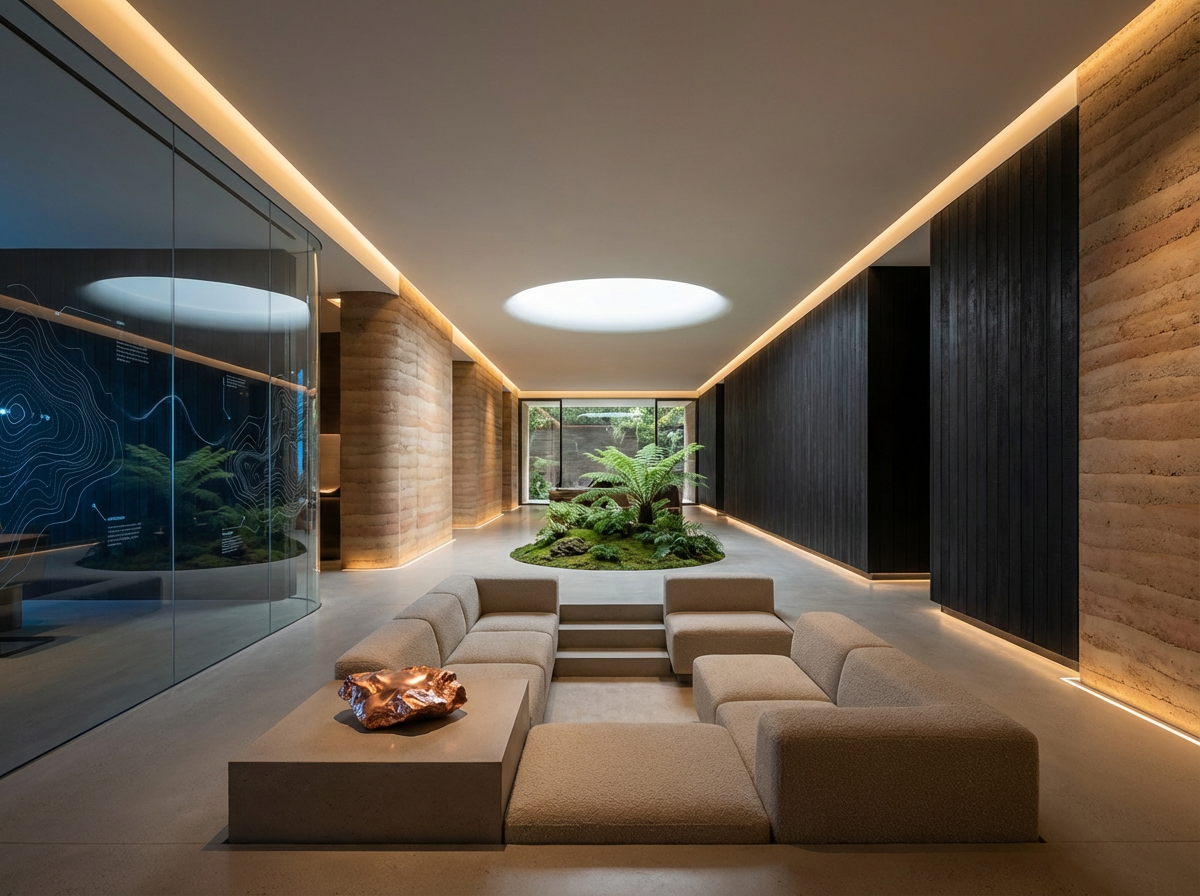
Interior design is often misunderstood as something purely visual—colour palettes, furniture choices, or beautifully styled corners. But in reality, great interior design goes far deeper. It shapes how customers feel, how they behave, and how they connect with a brand the moment they walk through the door.

For modern businesses—cafés, restaurants, offices, clinics, gyms, and retail shops—physical space is now one of the most powerful storytelling tools. Your interior is not just a backdrop; it’s an extension of your identity, your values, and your promise to customers.

This is why design-led brands consistently outperform competitors. Their spaces communicate clearly, evoke emotion, and create memorable experiences that keep customers coming back.

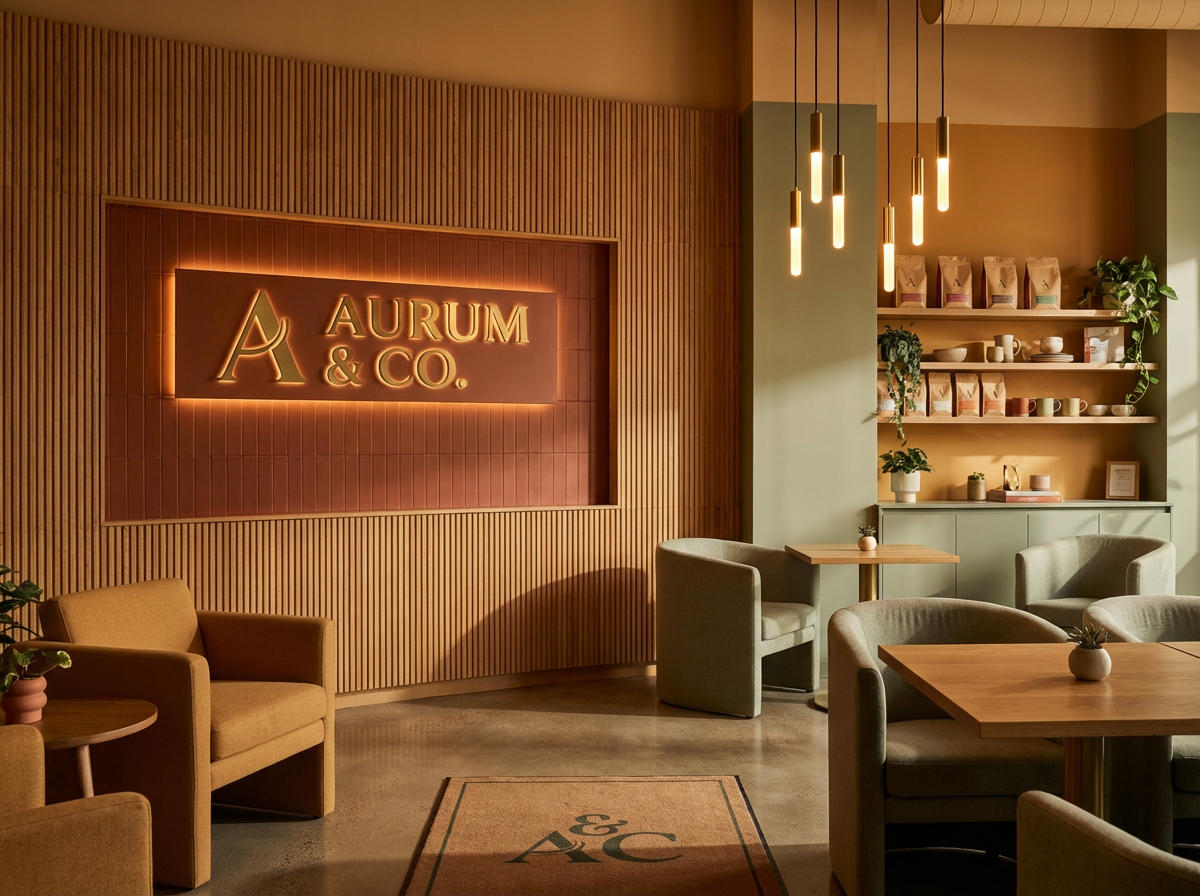
01. Your Space Is Your Brand’s First Impression

Before a customer interacts with your staff, sees your menu, or browses your products, they experience your environment.

Interior design sets the tone instantly:

  • A minimalist café communicates clarity and calm

  • A luxury boutique signals exclusivity

  • A colourful dessert shop expresses playfulness

  • An industrial coffee roastery suggests craftsmanship

Customers read these cues unconsciously. The design tells them what your brand stands for long before you speak a word.

02. Interior Design Communicates Your Brand Story

Great brands have great stories. Interior design transforms those stories into real, touchable experiences.

Think of:

  • A Japanese restaurant using natural timber, lanterns, and soft shadows

  • A wellness clinic designed with whites, neutrals, and calming greenery

  • A high-tech store with clean angles, glass, and cool-toned lighting

Every design detail can express philosophy, heritage, or personality.

Good storytelling through space builds emotional trust. Customers feel connected because the environment reflects what the brand believes in.

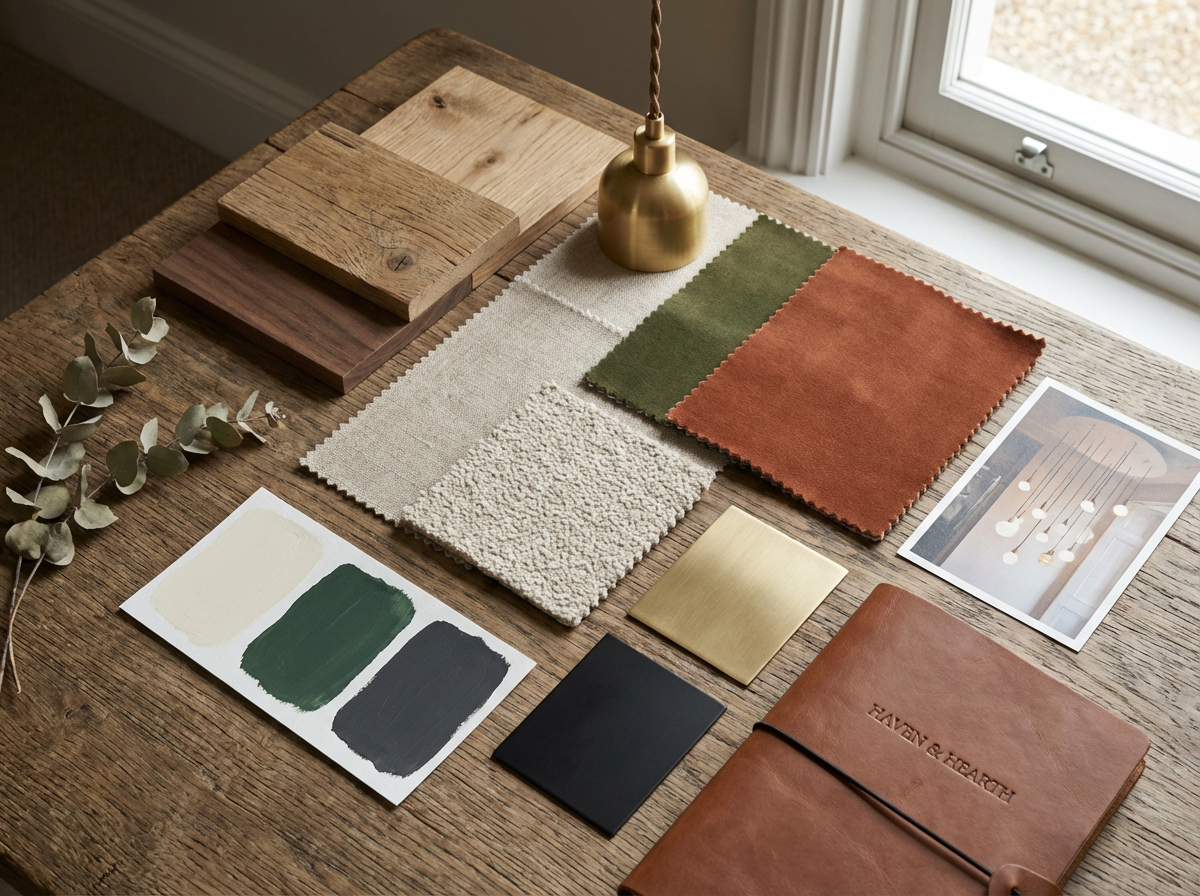
03. Materials, Colours, and Lighting Shape Brand Perception

Interior design influences the way customers perceive your brand, even if they don’t consciously notice why.

Material Choices

  • Marble + brass → luxury

  • Concrete + metal → industrial

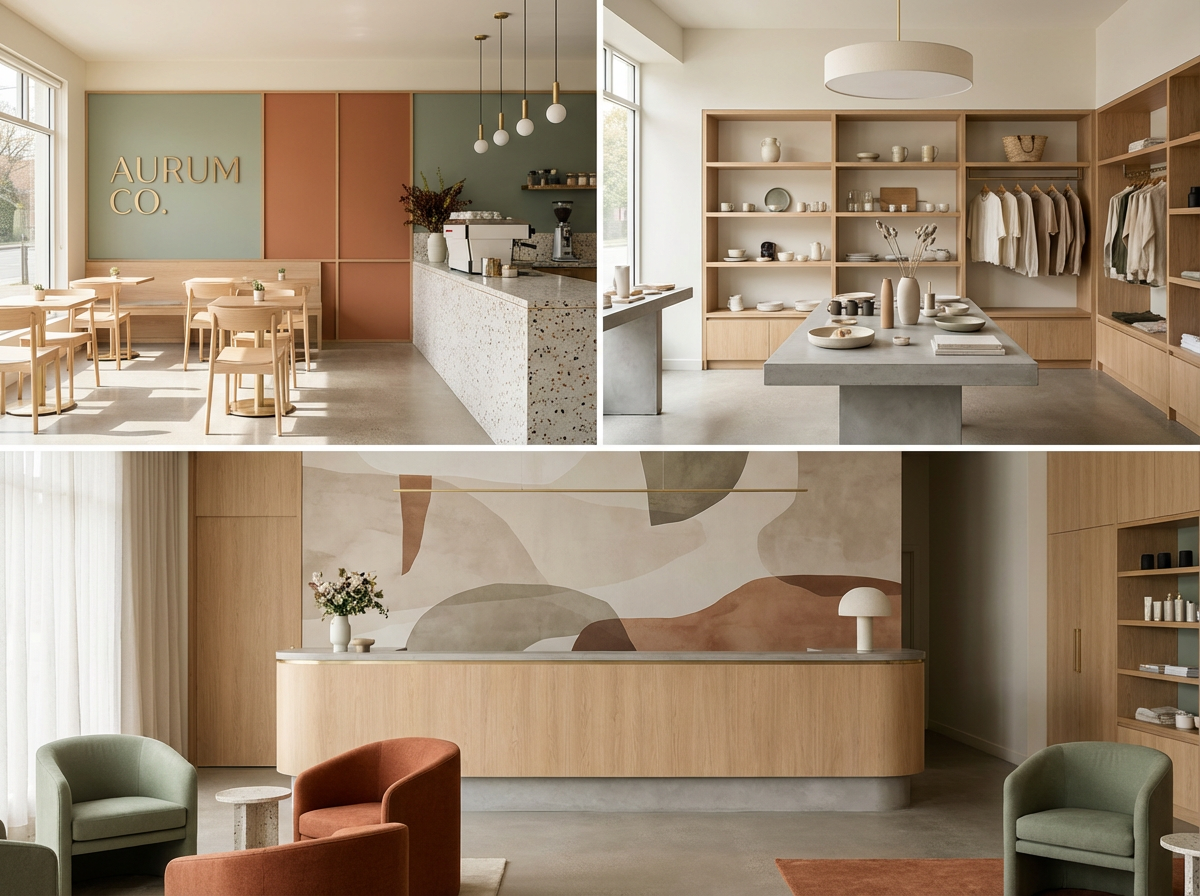
  • Oak + linen → natural and warm

  • Glass + stainless steel → modern tech

Colours

  • Blues → trust & clarity

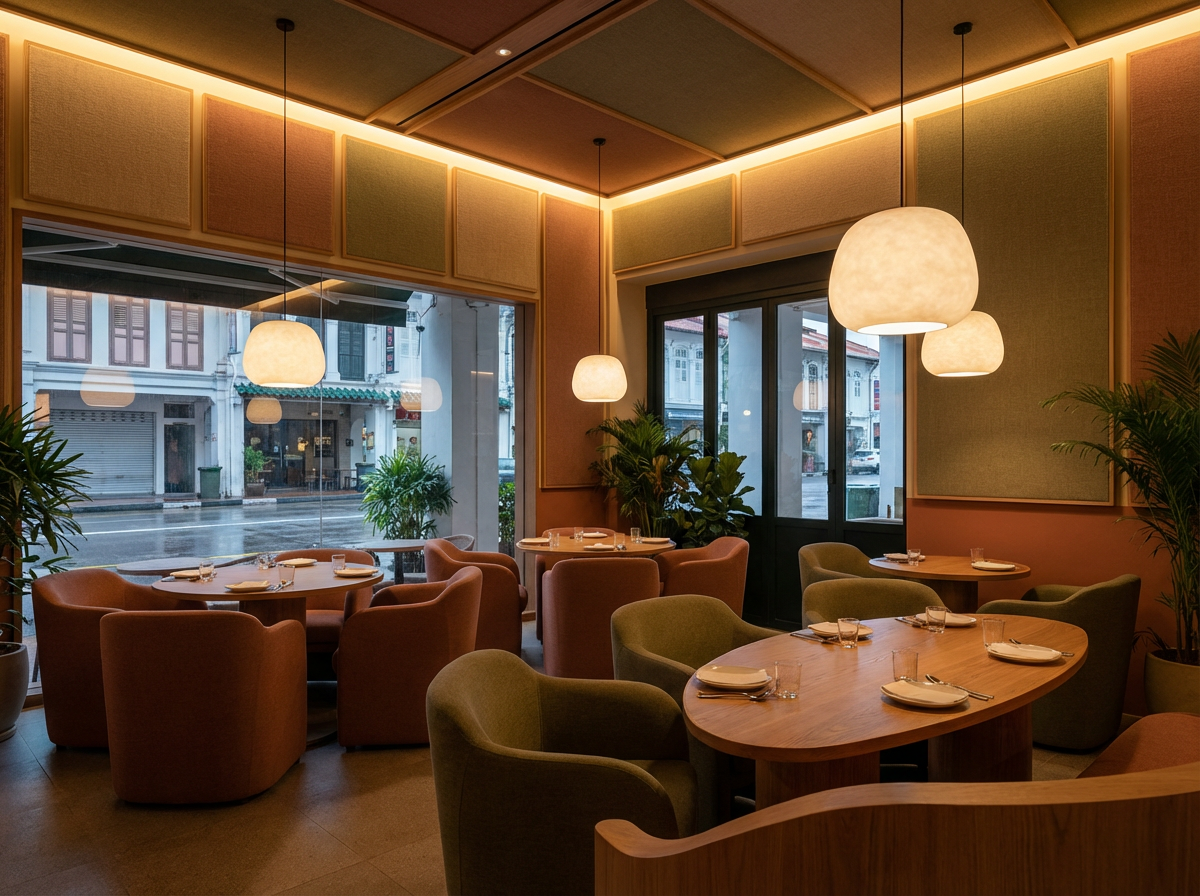
  • Earth tones → comfort & calm

  • Black & gold → premium & bold

  • Pastels → friendly & youthful

Lighting

  • Warm lighting → hospitality & relaxation

  • Cool lighting → precision & professionalism

  • Accent lighting → product focus

  • Indirect lighting → softness and privacy

When these elements align, the brand feels consistent and intentional.

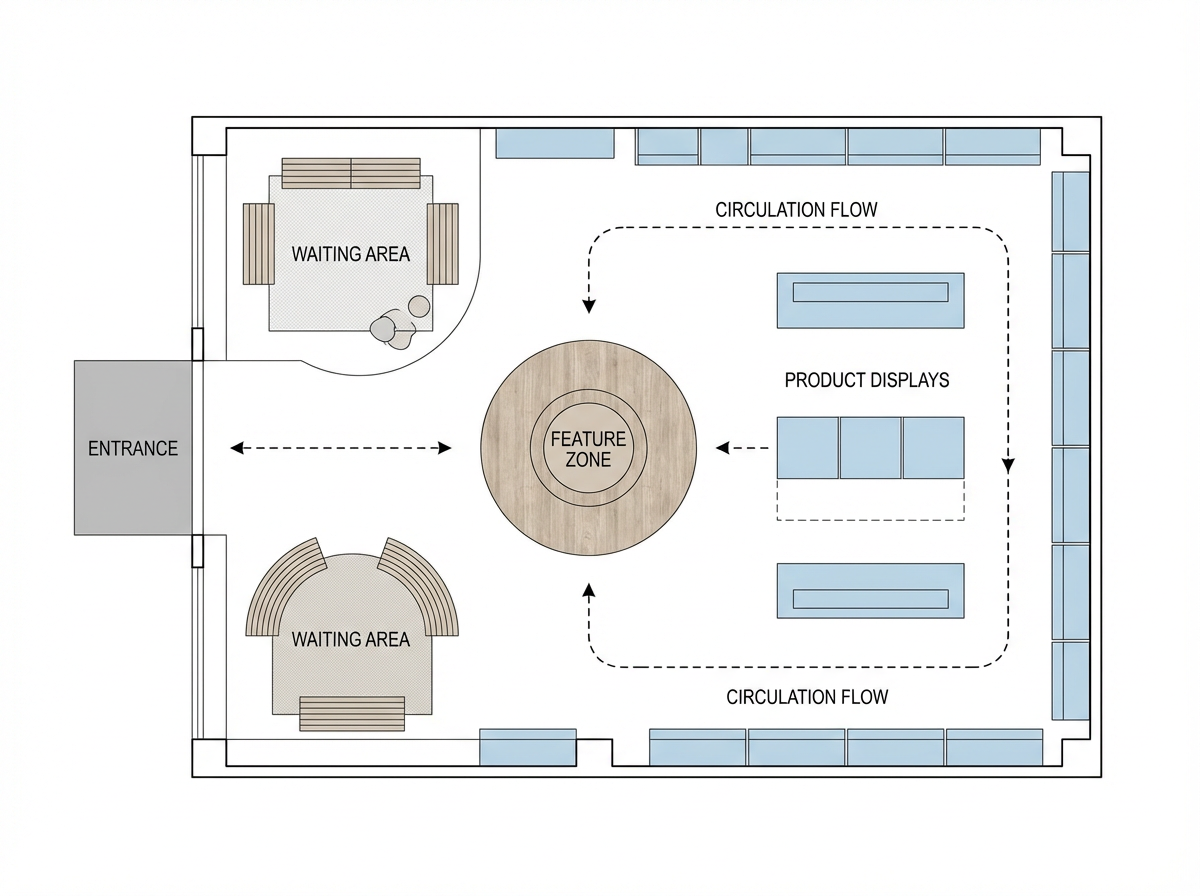
04. Spatial Planning Reflects How Your Brand Operates

The layout of your space communicates your brand values just as much as visual elements.

Examples

  • A fast-casual restaurant with clear ordering flow = efficiency and convenience

  • A luxury boutique with wide spacing = exclusivity and premium service

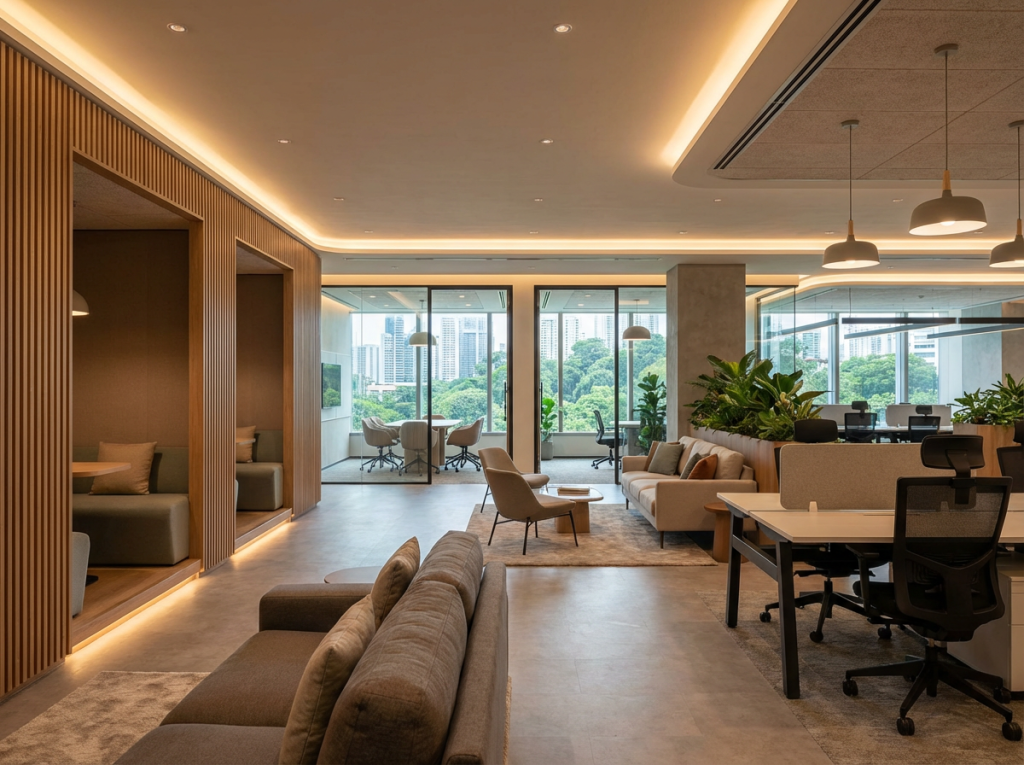
  • A co-working space with open tables = collaboration and community

  • A clinic with private rooms = trust, care, and confidentiality

Good spatial planning isn’t just functional. It shows customers how the brand wants them to feel and behave.

05. Interior Design Enhances Brand Recall

The more memorable your space, the stronger your brand recall.

A few iconic examples:

  • Starbucks’ warm wood and green palette

  • Apple’s minimalist, white, futuristic stores

  • Muji’s natural-toned, Japanese-inspired layouts

Customers associate the environment with the brand instantly.

What creates strong brand recall?

  • Signature colour palette

  • Consistent materials

  • A unique lighting mood

  • Recognizable layout

  • Distinct furniture style

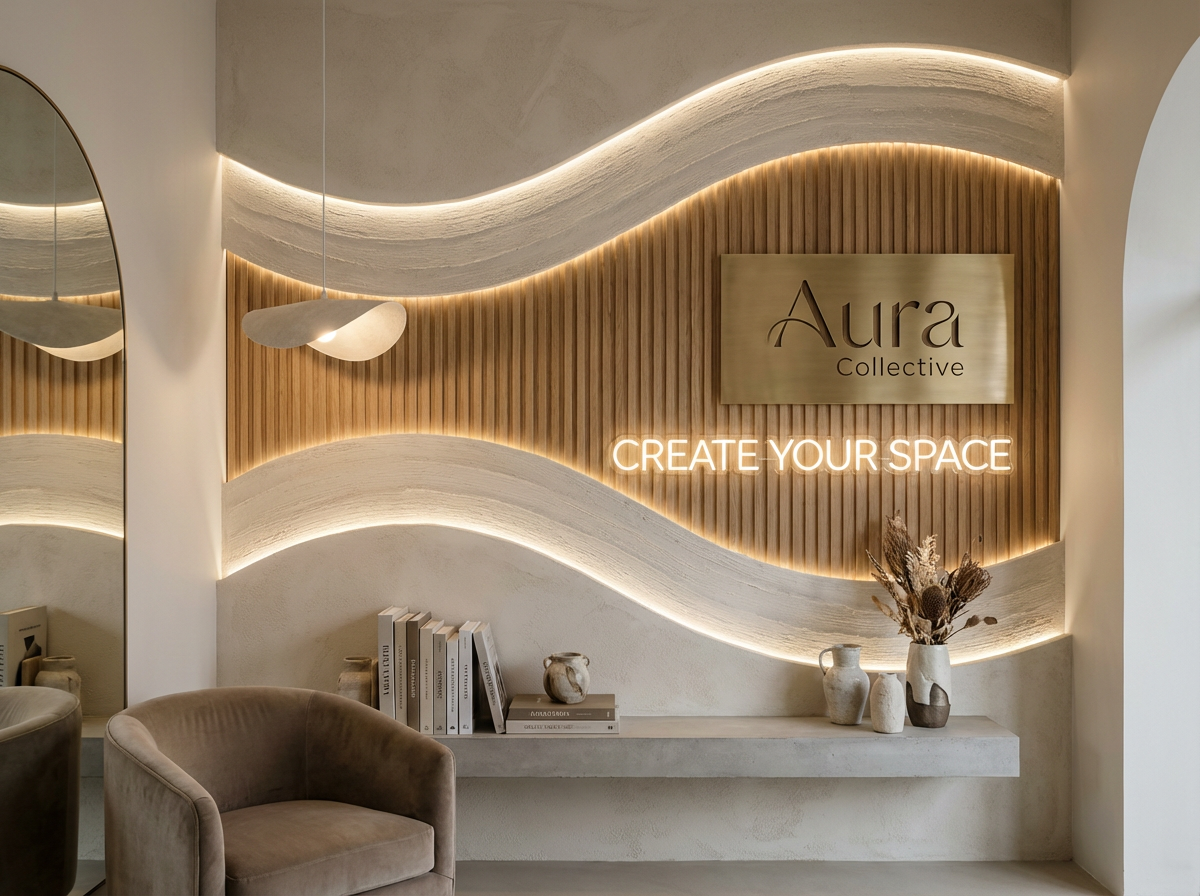
  • An Instagrammable feature wall

When customers share photos online, the design becomes part of your marketing itself.

06. A Well-Designed Space Increases Customer Comfort & Dwell Time

Brand identity isn’t only emotional—it’s also physical.

Good interior design improves:

  • Seating comfort

  • Airflow

  • Lighting levels

  • Noise control

  • Accessibility

  • Safety

  • Staff workflow

When customers feel comfortable, they stay longer, browse more, eat more, spend more—and come back more often.

This is why restaurants invest heavily in acoustics, cafés use warm lighting, and luxury stores use spacious layouts.

Comfort = loyalty.

07. Consistency Across Multiple Locations

For brands with multiple outlets, interior design becomes a unifying thread.

Consistency builds:

  • Recognition

  • Trust

  • Familiarity

  • Loyalty

Each location should echo the same core elements while adapting to the space’s unique character.

A strong design system includes:

  • A repeating palette

  • Signature materials

  • Standard lighting guidelines

  • Core furniture styles

  • Consistent signage

This creates a cohesive brand language across all branches.

Conclusion: Interior Design Is Your Brand’s Most Powerful Touchpoint

Interior design is no longer optional—it’s a strategic tool for building a strong brand. It shapes:

  • First impressions

  • Customer emotions

  • Buying behaviour

  • Brand storytelling

  • Space functionality

  • Brand recall

  • Long-term loyalty

A beautifully designed space doesn’t just look good—it feels aligned, communicates clearly, and creates an experience customers remember.

For businesses investing in the future, interior design is one of the smartest brand decisions you can make.